GoTrack — Computer-Vision Retail Intelligence
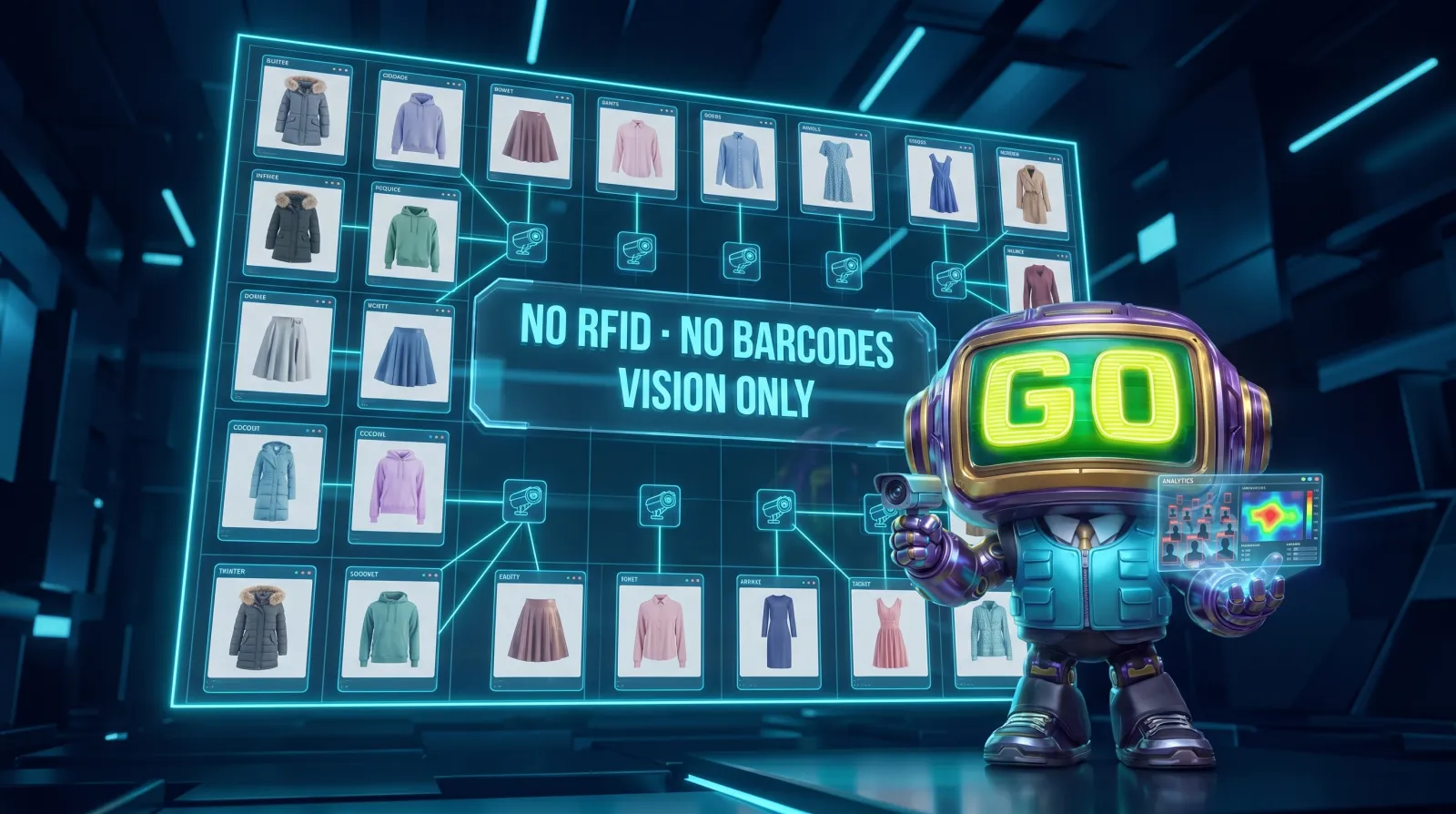
Overhead-camera vision detects shelf pickups — no barcodes or RFID — and triggers the right signage against a target of under 300ms. Built to meet KVKK and GDPR.
GoTrack is a product of GOTONOM A.Ş. (İstanbul). It has no connection to the similarly or identically named GoTrack (aynı isimli filo/araç takip ürünleri).
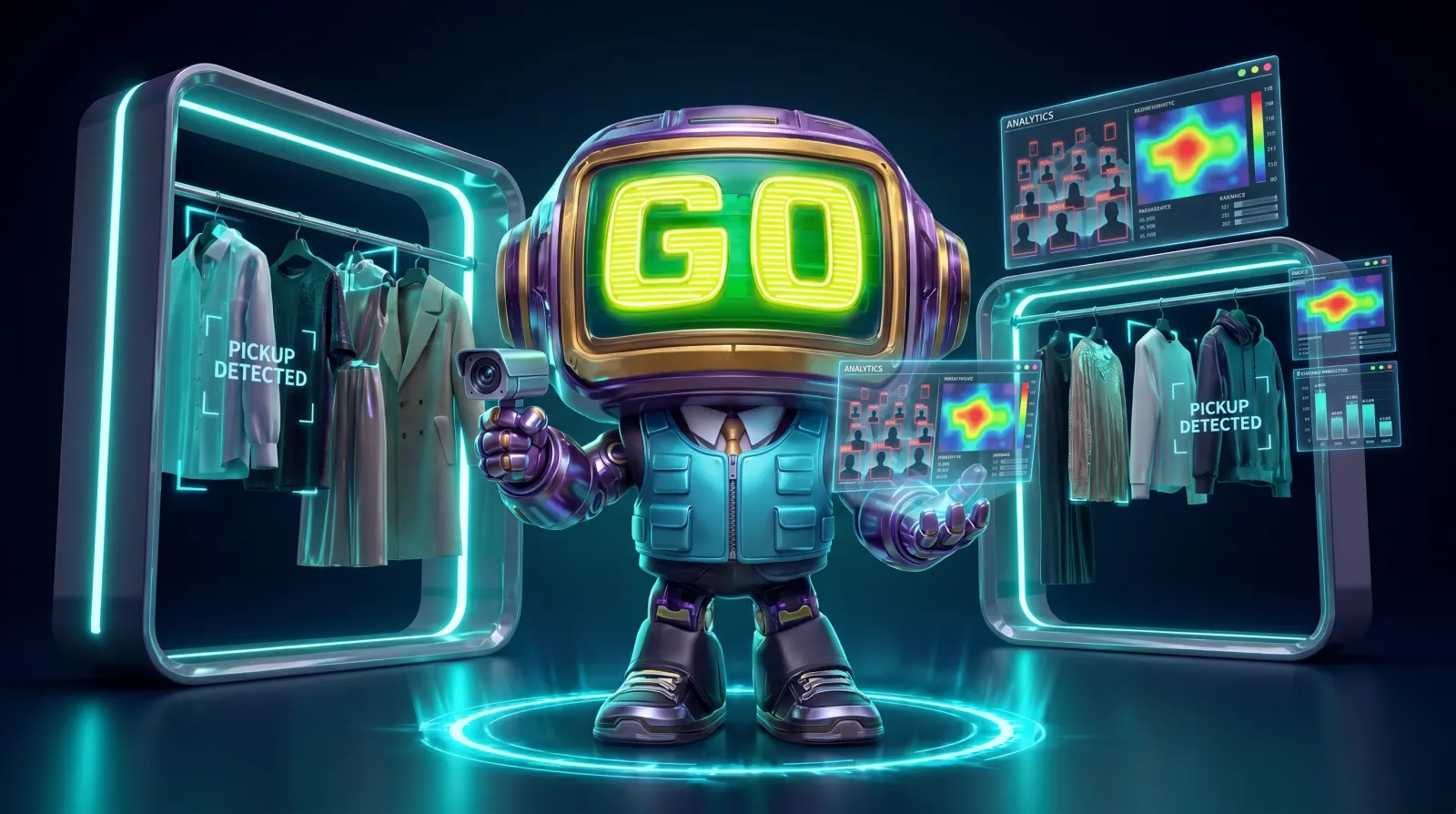
GoTrack turns every rack into a smart, watching surface. A purpose-built vision pipeline decides which content plays on which LCD the moment a shopper reaches for a product — against a target of under 300 milliseconds, with no barcodes, no RFID, no screen taps and no face recognition.
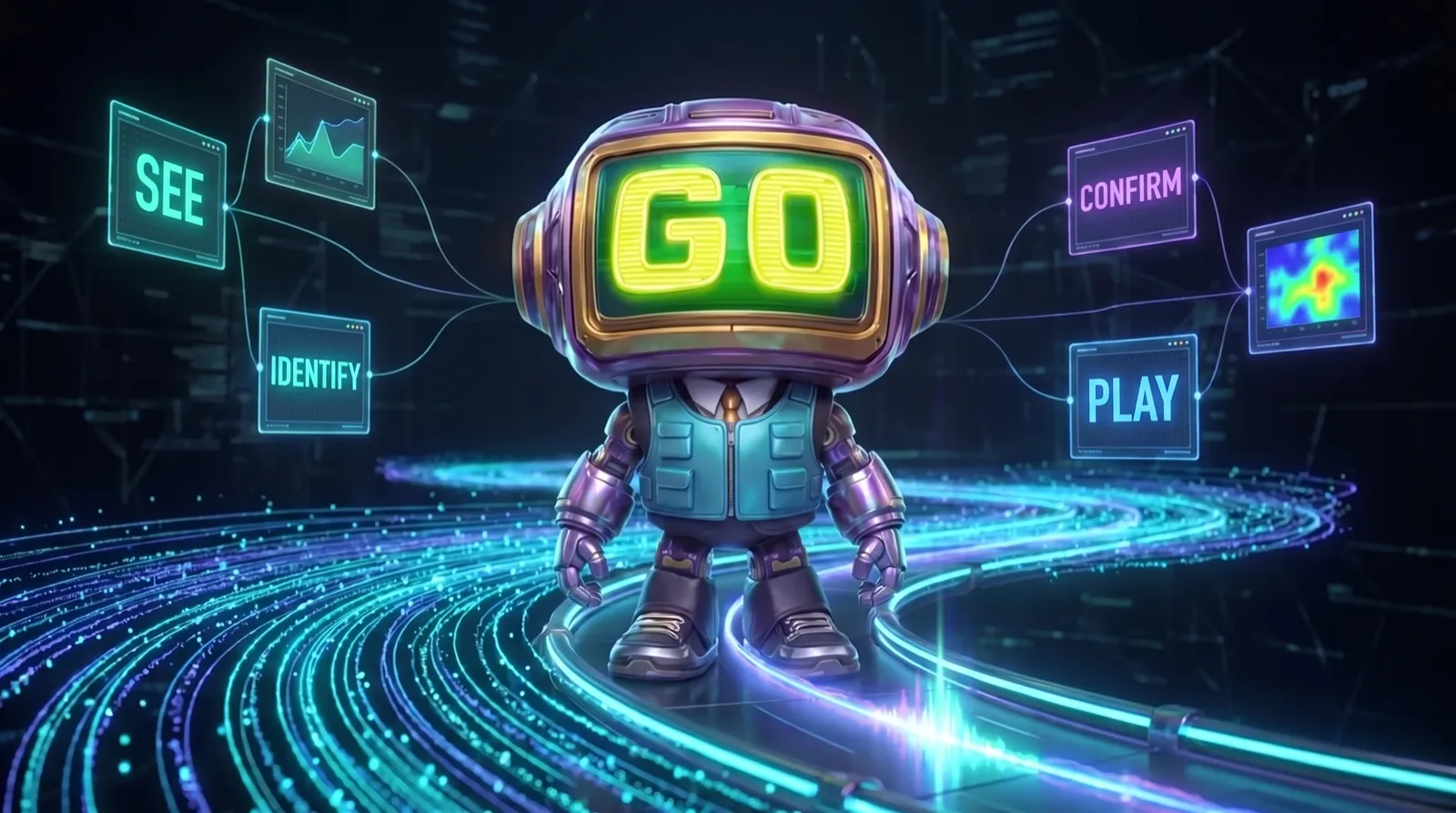
The flow runs in four observable steps. An overhead camera watches the rack frame by frame and sees the pickup. The product is recognised and matched to your catalogue down to the variant, then confirmed with multiple signals — colour, AI tags and zone inventory — so anything ambiguous is discarded. A confirmed pickup triggers tier-aware signage over WebSocket: zone screen, then store fallback, then brand idle. Finally hold time and engagement are written to the dashboard. Every layer emits events, so every decision is traceable — there is no black box.
Beyond the trigger, GoTrack turns hold time, kept-versus-returned and multi-pickup decisions into heatmaps and a per-rack GoTrack Score, and fans the data out to your CRM or BI stack over webhooks. Merchandising then runs on real reach data instead of guesswork. It is privacy-first by design: no faces stored, no biometric matching, KVKK and GDPR aligned.
- Detects shelf pickups via overhead cameras — no barcodes, RFID or taps
- Triggers the right in-store signage against a sub-300-millisecond target
- Heatmaps, hold-time analytics and a GoTrack Score per rack and zone
- Use cases: pickup detection, shrinkage reduction, planogram optimization
- Privacy-first by design — no faces stored, KVKK and GDPR aligned
Does GoTrack recognise shoppers’ faces?
No. GoTrack is privacy-first by design: no faces are stored, no biometric matching is performed and no personal data is processed. The system sees product interaction at the shelf, not people. It is KVKK and GDPR aligned.
Does GoTrack need barcodes, RFID tags or touchscreens?
No. GoTrack works from an overhead camera alone — zero barcodes, zero tags. You do not need to tag products or add touch hardware to the racks.
How long does it take for the screen to change after a pickup?
The end-to-end budget is under 300 milliseconds, from the moment a shopper reaches for a product to the right content playing on the right LCD.
Which retail problems does GoTrack solve?
Pickup detection, shrinkage reduction, planogram optimisation, consideration analytics, digital signage triggering and visual inventory — including empty-shelf detection and variant-level stock signals. It is used in fashion retail, luxury and boutique, department stores and by mall operators.